From Youth Media to Academic Research: An International Study Documents the Shabab Times Experience in Digital Media and Its Role in Strengthening the Cultural Identity of Bahraini Youth
In a significant academic achievement that reflects the growing recognition of Shabab Times Media Platform within academic and research communities, an entire scholarly chapter has been devoted, as part of an international doctoral study, to analyzing the platform's experience in digital media and its role in strengthening the cultural identity of Bahraini youth.
This achievement demonstrates that the Shabab Times experience has evolved into a research model worthy of academic study and analysis, reflecting its intellectual value and contribution to the fields of Digital Media and Communication Technology.
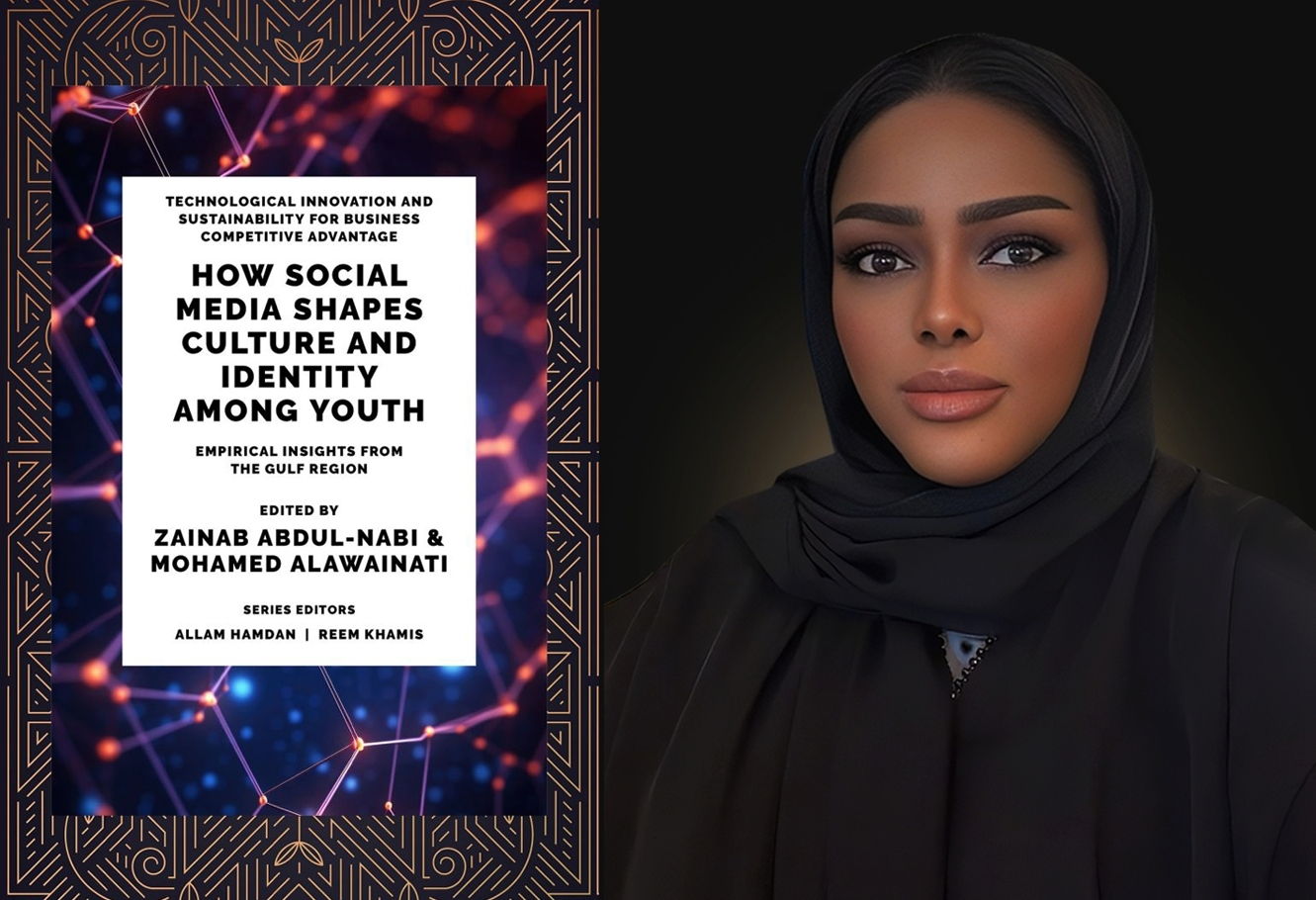
The significance of this achievement is further reinforced by the publication of the study in an academic book released by Emerald Publishing, one of the world's leading academic publishers specializing in peer-reviewed scholarly research, giving the study international academic recognition.
The research was presented in Chapter Sixteen, entitled "Media Framing of the Cultural Identity of Bahraini Youth on the Shabab Times Platform," prepared by doctoral researcher Huda Al Daham, a PhD candidate in Digital Media and Communication Technology, under the supervision of Dr. Zainab AbdulNabi from the College of Arts and Sciences at Ahlia University. The chapter was published in a specialized academic volume examining the impact of digital media and social media platforms on shaping culture and identity across the Gulf Cooperation Council (GCC) countries.
The study adopted a content analysis methodology, examining 82 media publications published by Shabab Times between 2022 and 2024. The research analyzed the media frames employed by the platform in addressing issues related to cultural identity and evaluated their contribution to strengthening national belonging and the cultural identity of Bahraini youth.
The findings revealed that Shabab Times has established an effective media model for promoting Bahraini cultural identity. News, customs, and traditions emerged as the most prominent themes across the analyzed content, while the representation of traditional and official Bahraini attire ranked as the leading media frame reflecting young people's expressions of their cultural identity. The study also concluded that Shabab Times served as the primary source of the cultural identity-related media content analyzed throughout the research.
The inclusion of the Shabab Times experience in an international academic study represents a strong indication of the platform's growing academic standing and reflects increasing scholarly interest in examining its impact on digital media and cultural identity.
This achievement further demonstrates that national media initiatives driven by a clear vision and meaningful content can transcend the boundaries of media production to become part of academic knowledge creation and scientific research, enriching scholarly discussions in the fields of digital media and cultural identity.
As the first youth digital media platform in the Kingdom of Bahrain, Shabab Times continues to advance its media model by documenting achievements, empowering young people, and strengthening national identity in alignment with Bahrain's Vision 2030, while reinforcing the Kingdom's presence within international academic and research communities.
